Tuesday, August 11, 2015

specific/Pacific: Common Errors in English Usage Entry for Tuesday, August 11, 2015

specific/Pacific
An astonishing number of people mispronounce “Pacific” as “specific.”


___________
This is the tenth year of the Common Errors in English Usage calendar. To celebrate, we are bringing back some of our favorite interesting, funny, but sometimes merely silly entries through the years before going on hiatus in 2016.

Enjoy the calendar? Buy the book!

Monday, August 10, 2015

squash/quash: Common Errors in English Usage Entry for Monday, August 10, 2015

squash/quash
You can squash a spider or a tomato; but when the meaning you intend is “to suppress,” as in rebellions or (especially) legal motions, the more sophisticated term is “quash.”


___________
This is the tenth year of the Common Errors in English Usage calendar. To celebrate, we are bringing back some of our favorite interesting, funny, but sometimes merely silly entries through the years before going on hiatus in 2016.

Enjoy the calendar? Buy the book!

Sunday, August 9, 2015

beside/besides: Common Errors in English Usage Entry for Sunday, August 9, 2015

beside/besides
“Besides” can mean “in addition to” as in “besides the puppy chow, Spot scarfed up the filet mignon I was going to serve for dinner.” “Beside,” in contrast, usually means “next to.” “I sat beside Cheryl all evening, but she kept talking to Jerry instead.” Using “beside” for “besides” won’t usually get you in trouble, but using “besides” when you mean “next to” will.

___________
This is the tenth year of the Common Errors in English Usage calendar. To celebrate, we are bringing back some of our favorite interesting, funny, but sometimes merely silly entries through the years before going on hiatus in 2016.

Enjoy the calendar? Buy the book!

Saturday, August 8, 2015

cannot/can not: Common Errors in English Usage Entry for Saturday, August 8, 2015

cannot/can not
These two spellings are largely interchangeable, but by far the most common is “cannot”; and you should probably use it except when you want to be emphatic: “No, you can not wash the dog in the Maytag.”

___________
This is the tenth year of the Common Errors in English Usage calendar. To celebrate, we are bringing back some of our favorite interesting, funny, but sometimes merely silly entries through the years before going on hiatus in 2016.

Enjoy the calendar? Buy the book!

Friday, August 7, 2015

till/until: Common Errors in English Usage Entry for Friday, August 7, 2015

till/until
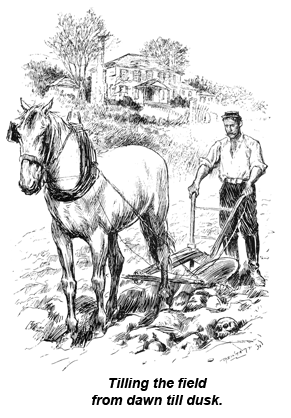
Since it looks like an abbreviation for “until,” some people argue that this word should always be spelled “’til” (though not all insist on the apostrophe). However, “till” has regularly occurred as a spelling of this word for over 800 years; it’s actually older than “until.” It is perfectly good English.


___________
This is the tenth year of the Common Errors in English Usage calendar. To celebrate, we are bringing back some of our favorite interesting, funny, but sometimes merely silly entries through the years before going on hiatus in 2016.

Enjoy the calendar? Buy the book!
Thursday, August 6, 2015

hold your peace/say your piece: Common Errors in English Usage Entry for Thursday, August 6, 2015

hold your peace/say your piece
Some folks imagine that since these expressions are opposites, the last word in each should be the same; but in fact they are unrelated expressions. “Hold your peace” means “maintain your silence,” and “say your piece” means literally “speak aloud a piece of writing” but is used to express the idea of making a statement.


___________
This is the tenth year of the Common Errors in English Usage calendar. To celebrate, we are bringing back some of our favorite interesting, funny, but sometimes merely silly entries through the years before going on hiatus in 2016.

Enjoy the calendar? Buy the book!

Wednesday, August 5, 2015

flesh out/flush out: Common Errors in English Usage Entry for Wednesday, August 5, 2015

flesh out/flush out
To “flesh out” an idea is to give it substance, as a sculptor adds clay flesh to a skeletal armature. To “flush out” a criminal is to drive him or her out into the open. The latter term is derived from bird-hunting, in which one flushes out a covey of quail. If you are trying to develop something further, use “flesh”; but if you are trying to reveal something hitherto concealed, use “flush.”


___________
This is the tenth year of the Common Errors in English Usage calendar. To celebrate, we are bringing back some of our favorite interesting, funny, but sometimes merely silly entries through the years before going on hiatus in 2016.

Enjoy the calendar? Buy the book!